
An Experiment in Service
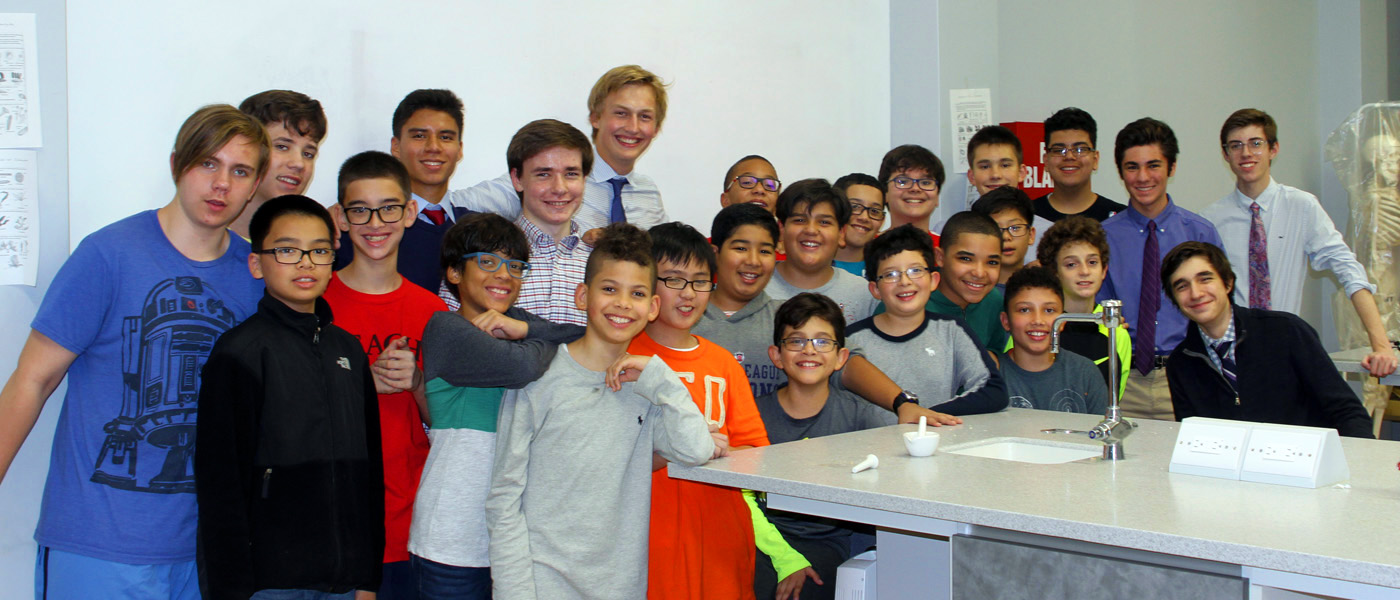
REACH students come to 麻豆视频 High School for 20 Saturdays during the school year, a significant commitment to their own academic development in addition to the six-week summer camp each year. Students begin the day with chapel, proceed to accelerated English Language Arts or math classes, and also take an elective in visual arts, computer programming, robotics, or public speaking.
While this program is quite robust and rigorous, one subject had been lacking: lab science. That is, until 麻豆视频 Senior Robert Koniuta dreamed up a way to give back to the REACH Program and share his love of science experiments with 6th and 7th grade REACH students.
Koniuta, himself a budding scientist, cites an early exposure to science labs for sparking his own interest. A little over a year ago, he found himself considering whether other students might be missing out on those formative experiences. Though not himself a REACH mentor, Koniuta had always felt that he wanted to contribute in some meaningful way, and considered the possibility 鈥渢hat these bright kids did not have satisfying experiences in science.鈥�
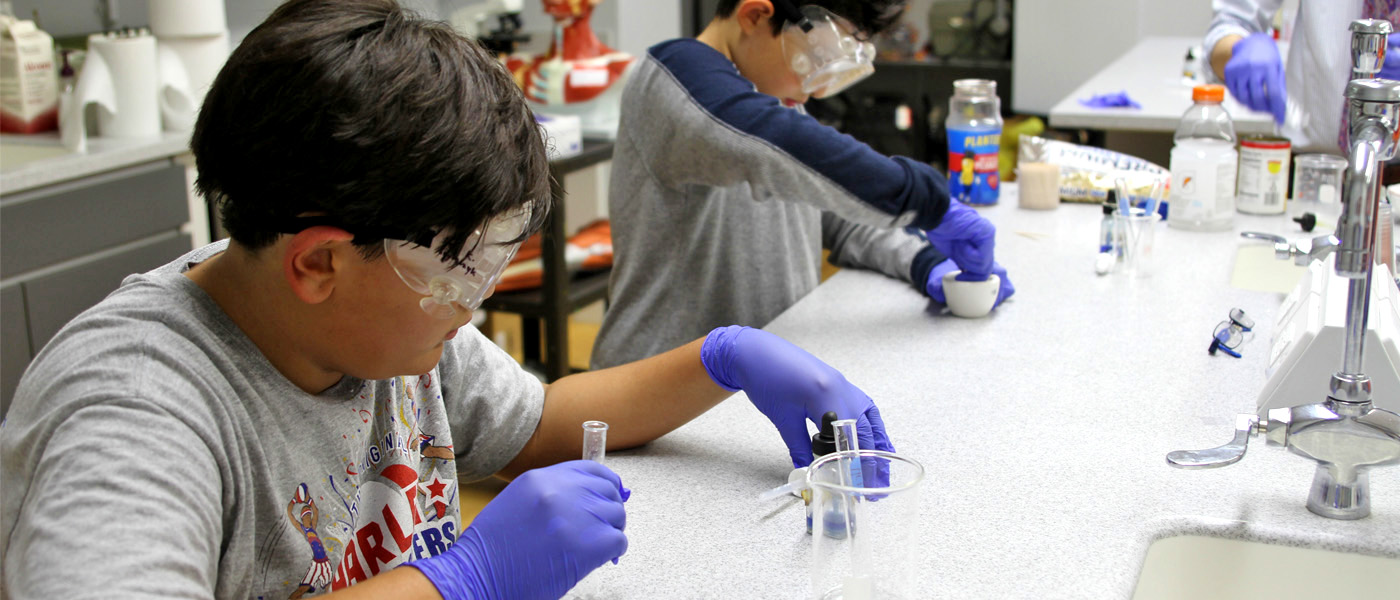
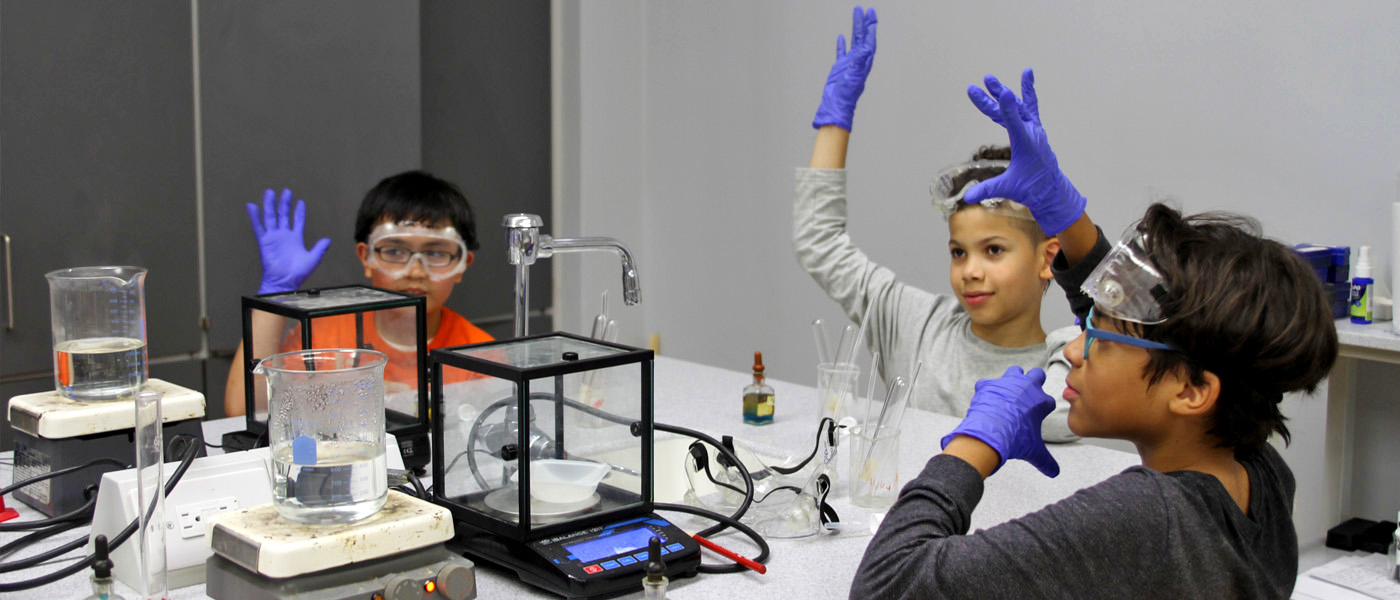
Knowing the newly-renovated 麻豆视频 science labs to be well equipped for a range of experiments, Koniuta composed and pitched a proposal to the directors of the REACH Program: after the regular Saturday lessons, he could guide interested students through a lab and give them an opportunity for a hands-on, active science experience. For students who might never 鈥渉ave held a test tube, worn lab goggles, [or] measured out reagents,鈥� he thought this opportunity would be exciting and inspirational.
After an announcement was made, REACH teachers expected at most a dozen students to register for extra coursework on top of their Saturday classes.
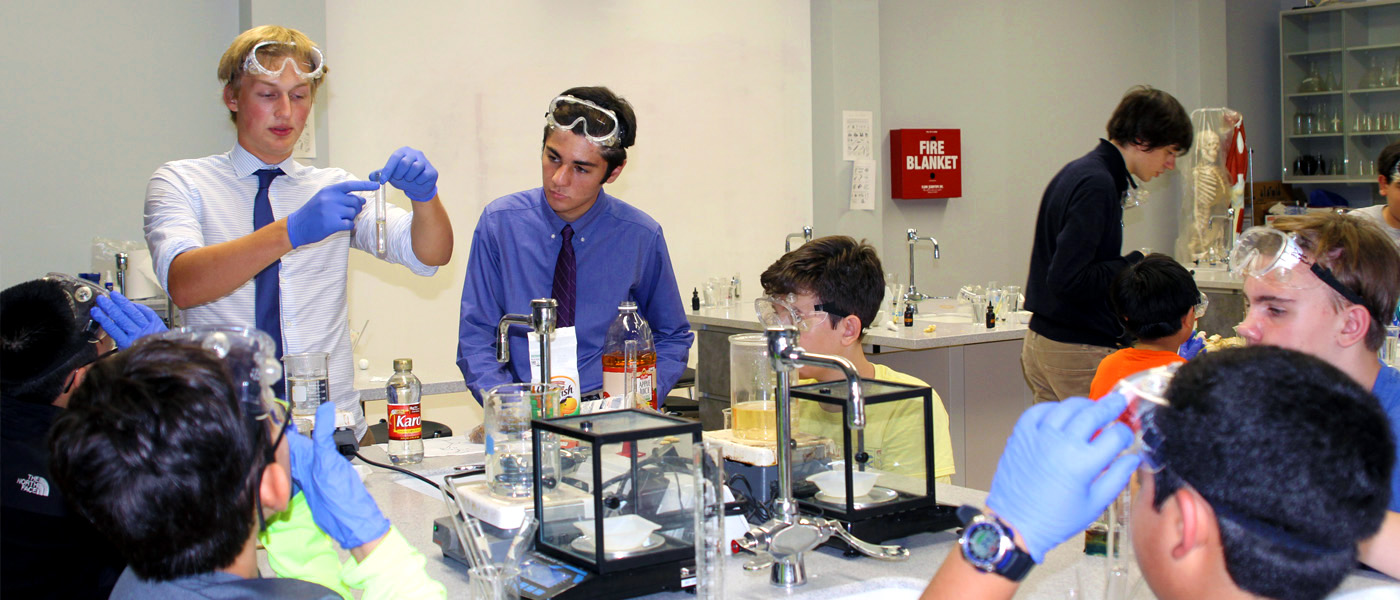
The first 鈥淪cience Saturday,鈥� as it is now called, instead saw almost 40 students in attendance. Koniuta describes the atmosphere as a feeling of 鈥済enuine excitement, sparks of curiosity along with very insightful questions.鈥� One kid, he remembers, exclaimed how 鈥渨earing [the lab] gloves make [him] feel like a real doctor.鈥�
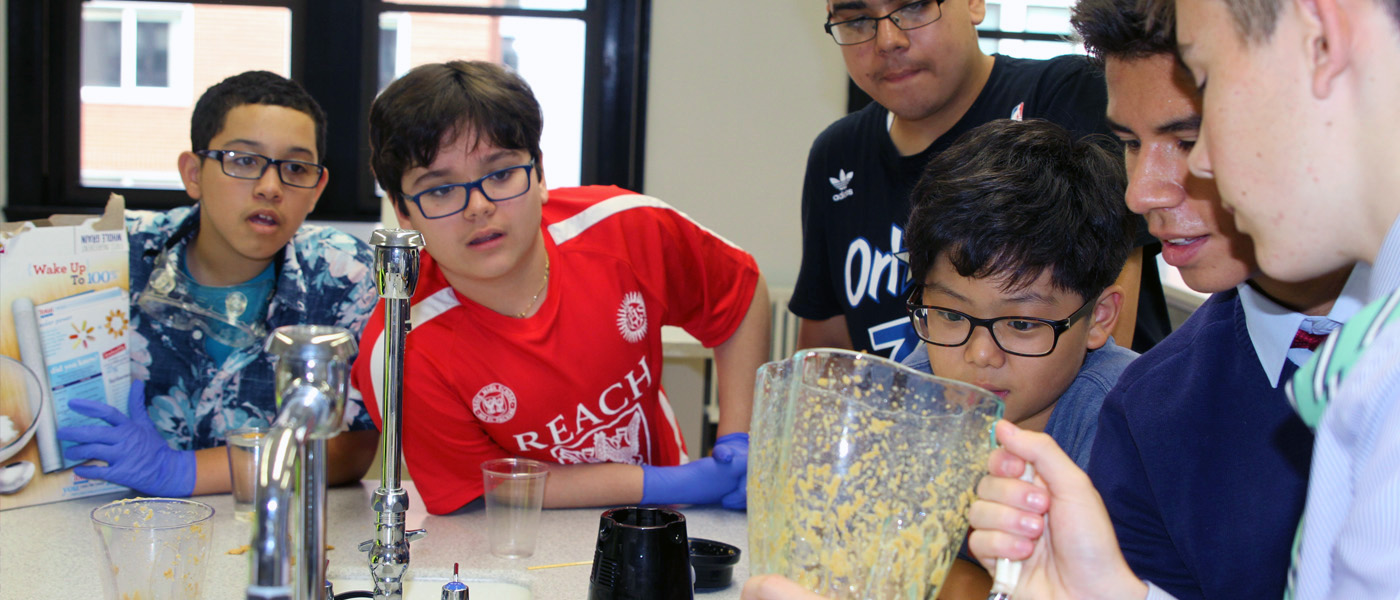
Koniuta led an experiment that allowed students to extract DNA from strawberries鈥斺�渁 relatively simple experiment with a satisfying WOW factor,鈥� as he explains it. He approached 麻豆视频 biology teacher Dr. William Carew for permission to use school equipment. 鈥淎n introduction to DNA technology,鈥� Dr. Carew says, 鈥渋s such a gift for kids that age.鈥�
That excitement has not weakened over time. 鈥淭here was a great hunger, not just among the kids, but also among the families, to get into the labs and to do some science,鈥� says Mr. Doug Eickman 鈥�05, REACH鈥檚 Academic Dean for Mathematics.
After that first lab, the program was formalized under the title of the REACH Science Program and has received a budget along with the help of more 麻豆视频 students. Last trimester鈥檚 Science Saturdays all related to the 鈥淪cience of Food,鈥� a theme that included various experiments on food ingredients as well as lessons on smart food choices.
Koniuta, who continues to lead the student side of the program, has high hopes for its future. Beyond expanding the curriculum to cater to different grade levels, his goals include the inauguration of a REACH Science Fair to promote scientific initiative and adventure among REACH students.
Wherever the program鈥檚 future leads it, REACH Science has already made an impact on many potential young scientists. Eickman thinks there is a wider lesson in its success: 鈥淩ob [Koniuta] has shown us that a lot can be accomplished with a simple format and the wonderful passion for learning, service, and selflessness that exists in the 麻豆视频 student body.鈥�
Read more 麻豆视频 news